
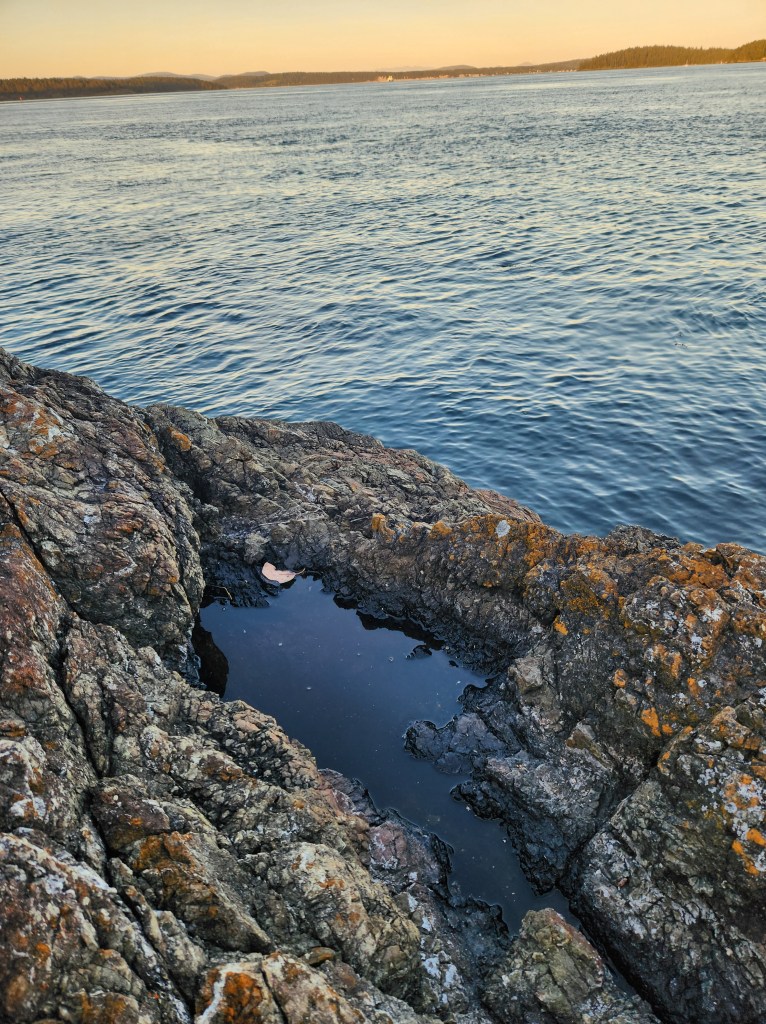
Hydrating in seawater: ion and water balance physiology of fly (mosquito and midge) larvae that have evolved a robust tolerance to salt
Project leads: Elissa Khodikian & Rin Prabhakaran
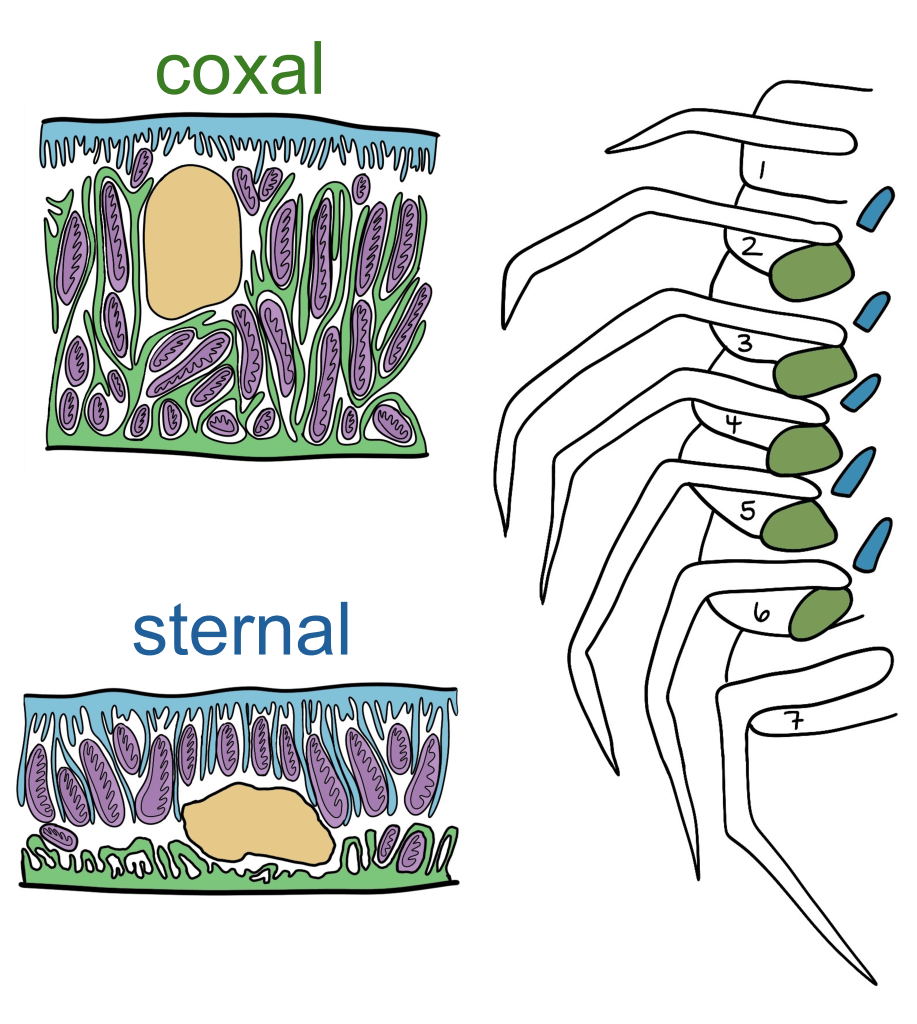
A comparative study of amphipod crustacean gill morphology and function spanning an evolutionary shift to freshwater systems from the marine environment
Project leads: Dr. Jamie Cochran & Katherine Han
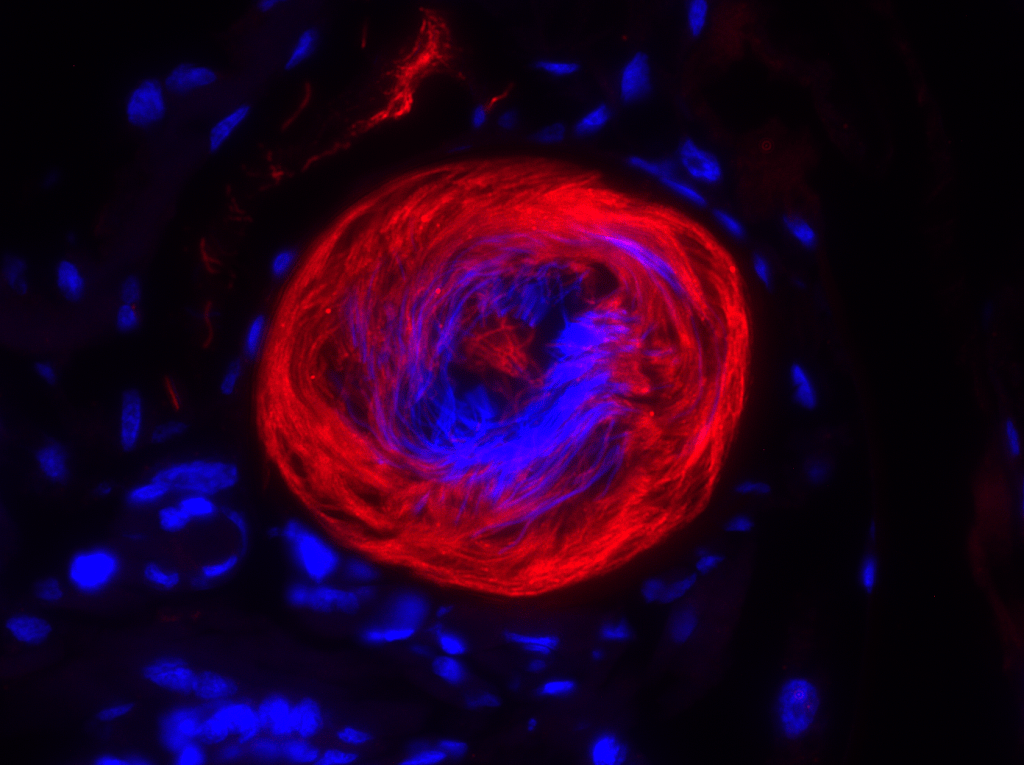
Ammonia transport physiology across the mosquito life cycle: from ammonia sensing to locate a blood meal, to larval development in high ammonia polluted waters like sewage
Project leads: Tori Armitage & Eli Kingman Ohair
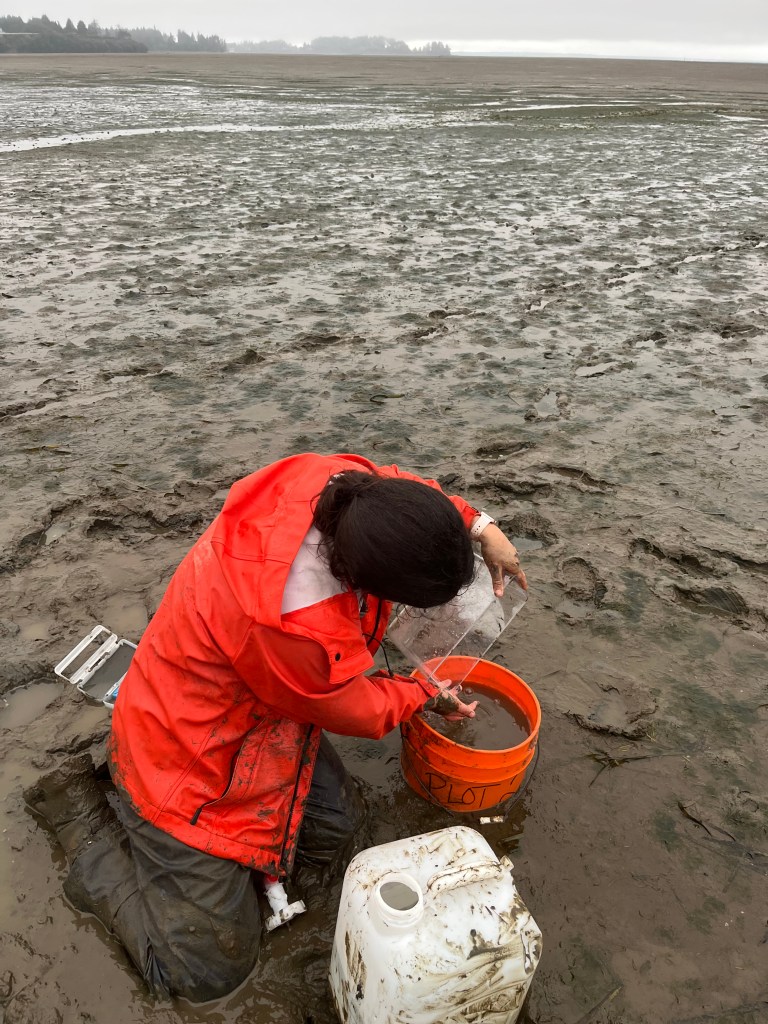
Investigating the physiological innovations underlying the remarkable ecological success of ghost “shrimp” that are a major pest to the shellfish industry in the Pacific Northwest
 at the University of Washington in Seattle