
some flies lay their eggs in seawater
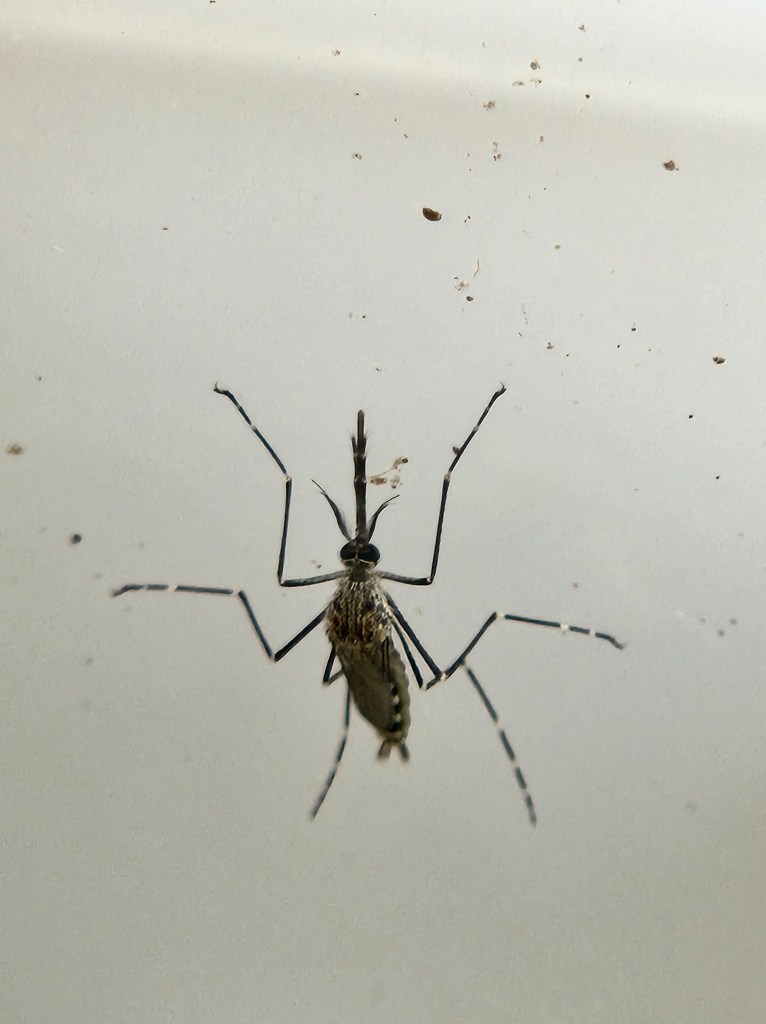
The ability to hydrate in desiccating environments requires physiological feats accomplished by the coordination of numerous cellular, biochemical, and organ-system processes.
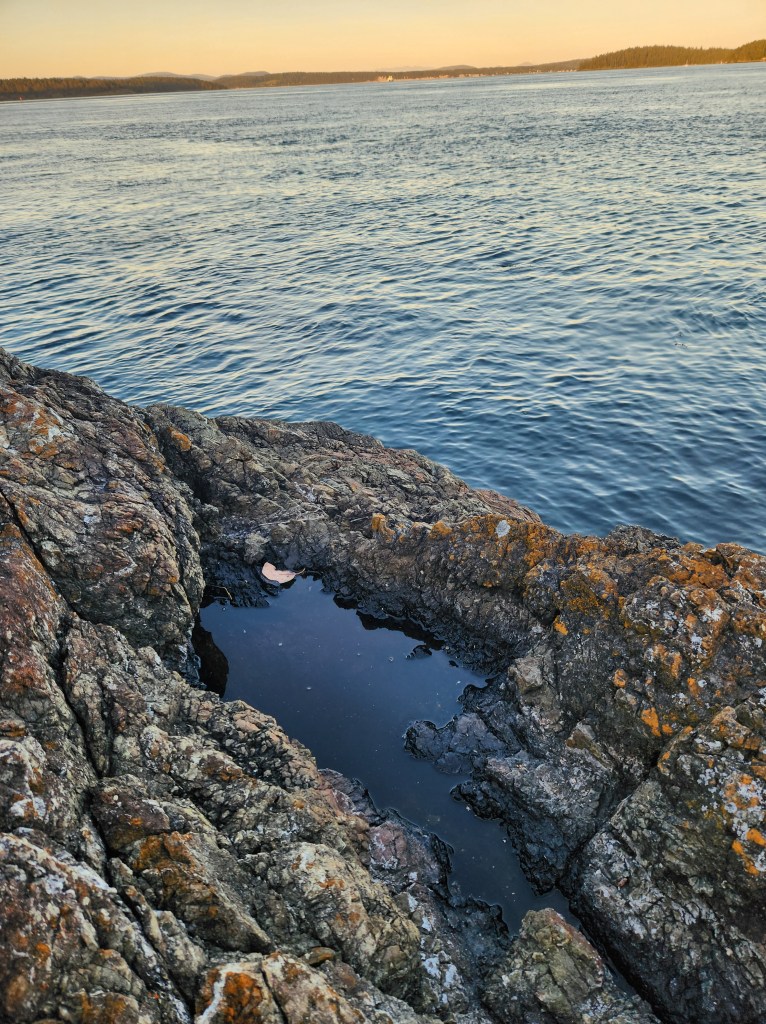
Insects have evolved mechanisms to cope with water scarcity many times over, and some of the most impressive and uncommon examples are found amongst marine (and marine-associated) insects. We study marine fliesspecifically, the saline-tolerant larvae of mosquitoes and midgesthat inhabit coastal rock pools and tidal marshes including one shown in this image from the San Juan Islands in Washington.
The majority of fly species with aquatic larvae occupy freshwater environments, and only 10% of dipteran flies and 5% of mosquito species can survive and develop in brackish or saline waters. The fly species that we study are capable of maintaining almost constant hemolymph (or, blood) osmolarities and ion levels when developing in external salinities that span very dilute freshwater to hypersaline (~300% seawater) levels.
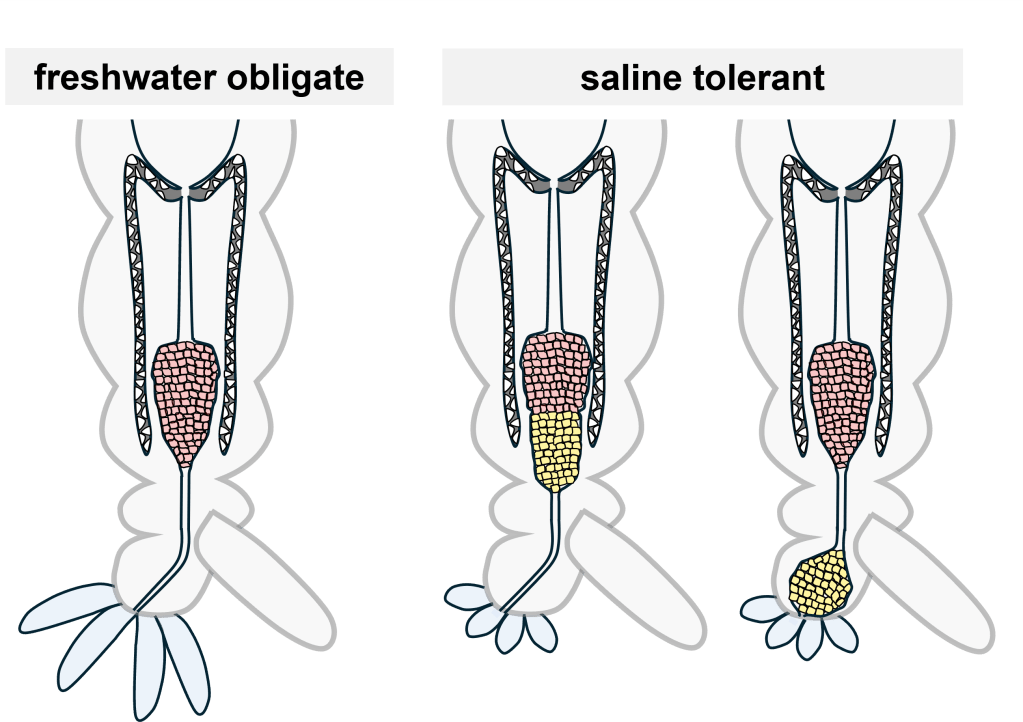
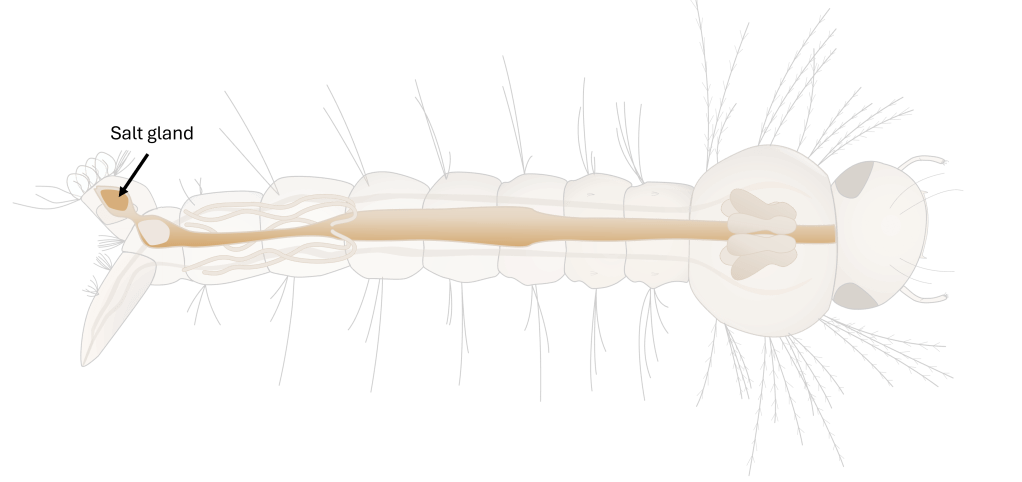
the salt-secreting gland of aquatic larvae
The basic blueprint associated with fly saline-tolerance involves a remodeled hindgut with a ‘new’ hindgut segment—specifically the appearance of a salt-secreting gland shown in yellow in the illustration to the left—that functions to remove salt from the hemolymph against powerful ion and osmotic gradients to produce a very salty urine.
We study this organ across multiple levels of evolutionary divergence in Aedine mosquitoes to uncover common physiological pathways that are required for conferring a robust tolerance to salt. Using a variety of molecular and cellular techniques, electrophysiology, and confocal microscopy, we are describing the transport mechanisms that drive ion flux and attenuate water flux across the salt gland epithelium.
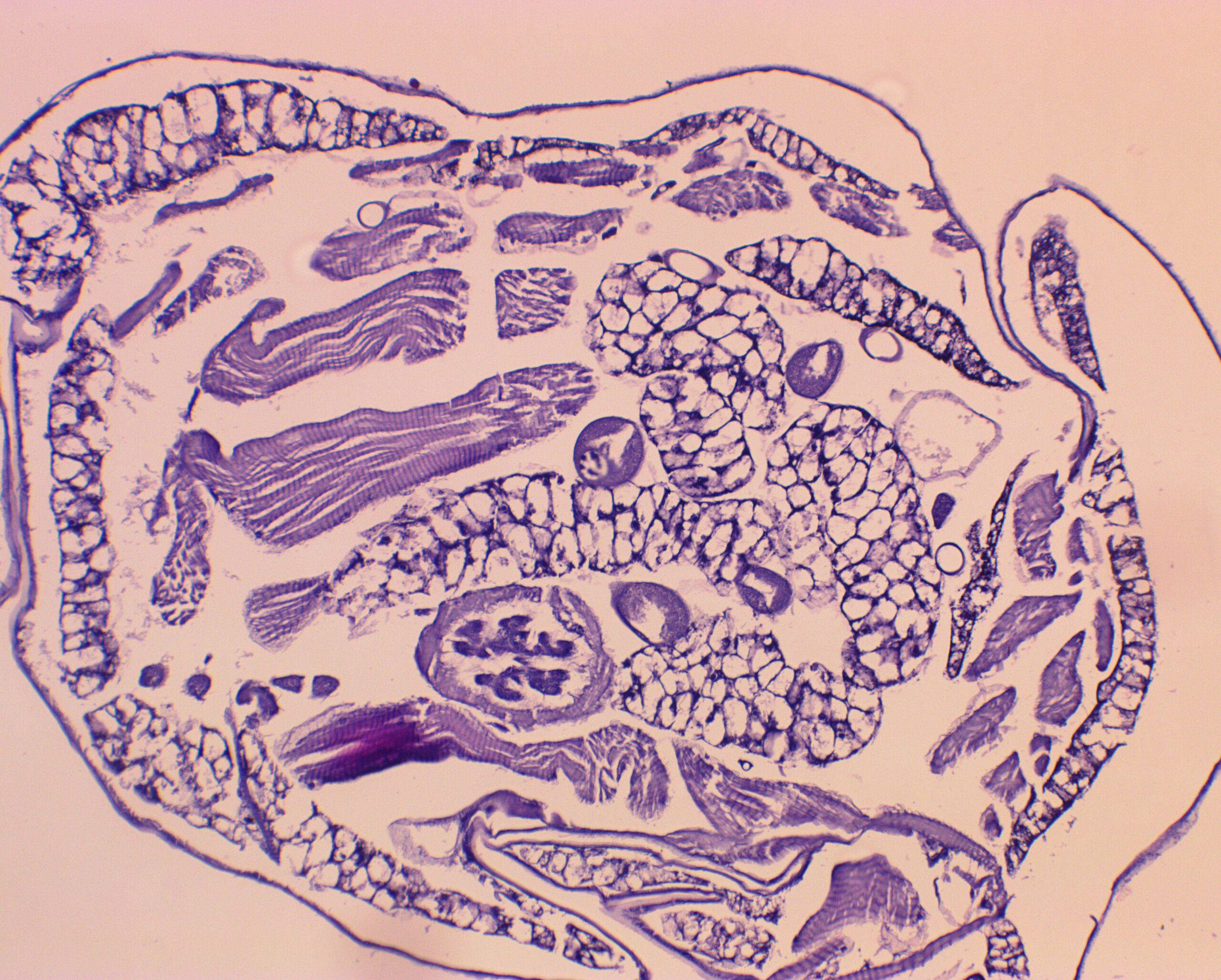
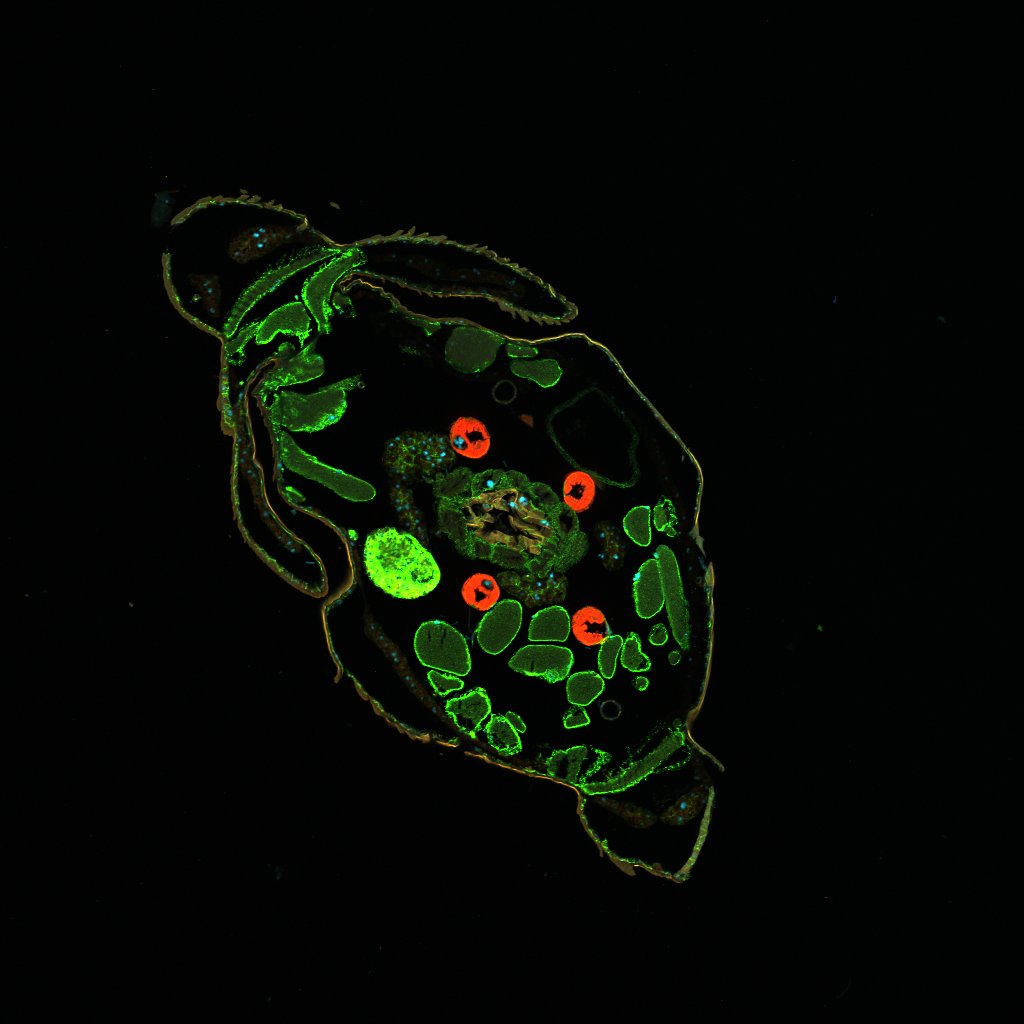
the anal ‘gills’ of aquatic larvae
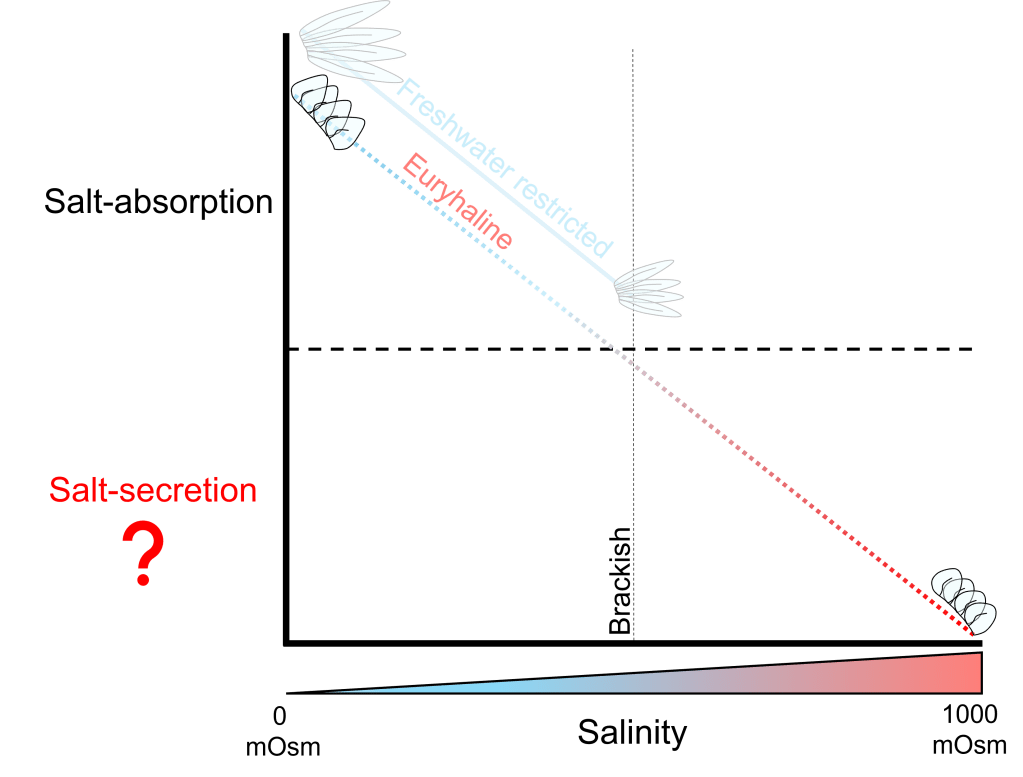
The four anal gills (or papillae)—finger-like projections at the posterior end of larvae—play critical functions in ion uptake and nitrogenous waste excretion in mosquito species with obligate-freshwater larvae, and also in saline-tolerant (euryhaline) species when larvae develop in freshwater. However, the anal gills are reduced in size in saline-tolerant larvae compared to their freshwater cousins. It is for this reason that the rectal salt gland of salt-tolerant larvae has received most of the physiological attention to date. This research challenges the longstanding premise that the truncated anal gills of saline-tolerant dipteran larvae are functionally redundant in seawater. This is based on our recent incidental findings of very high ion pump expression in these larval gills in both freshwater and seawater conditions. Our current research explores whether the anal papillae support active salt secretion to rid of excess ions when larvae are reared in seawater and whether this occurs via a complete reversal in ion-transporting machinery required for ion uptake in freshwater. If so, this would be very euryhaline teleost fish-like!
 at the University of Washington in Seattle